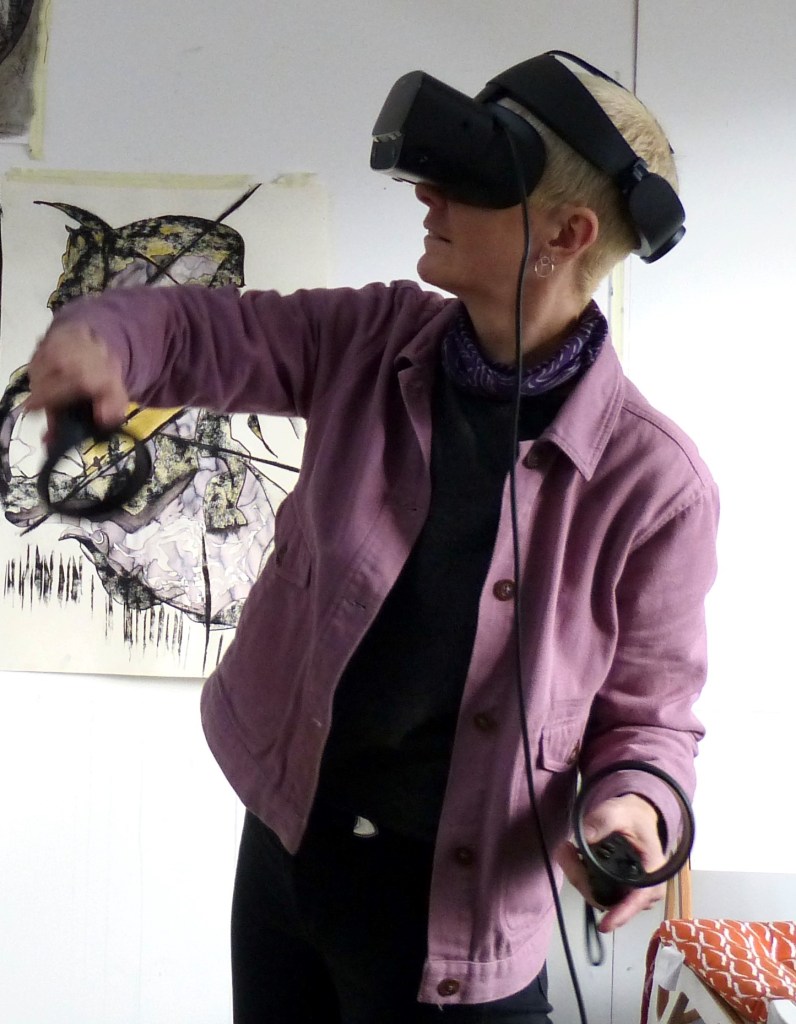
using Tilt Brush
Thanks to Gwen Evans for the Photo
Learning to work in VR
I like having a challenge in my work be it material or machine based, I would go so far to use the word conflict. I find that using tools in unconventional ways creates mistakes and happy accidents which are like gifts, keys to open new doors. Lockdown presented a challenge for me in that as I began the Graduate Scholarship with UOS Art Collection based at my dream studio with Paradise Works, I was unable to use the scholarship bursary as I had intended – to travel to Berlin, London and other cites to visit exhibitions. A cancelled taster in VR left me thinking what if . Renting the kit was expensive and time would be limited to practice and see if it suited me. I bought an Oculus Rift s and badgered my son over the Christmas break to set it up on his PC that had the necessary graphics card. This was more economical than renting because if I didn’t take to it I could sell the kit, loosing less money than the cost of rental and I would have more time to test out my ideas. This subsequently became important as its is difficult to work for more than an hour without eye strain. I was lucky that I did not feel any motion sickness and straight away I discovered Tilt Brush and Adobe Medium, software that facilitated my making painting and sculpture in 3D, needing only a 2mtr square space but opening up a whole vista and infinite possibilities. I realised that Illustrator and Photoshop had always been a tool for me to visualise the making of sculpture and print, It felt flat and lifeless, a tool which I had used with technicians to understand my concepts in a visual format as I fabricated them. This was just how things had developed because the physical movements of a painters arm and tactile creativity of the artist was what I connected with and a screen and keyboard never really gave me this.
I invested the bursary in a pc with AMD Ryzen 7 3800X 8-Core Processor 3.90 GHz, 16gb and 64-bit operating system. This was a scary moment but many people had bought or received a headset without the knowledge that they need a beast of a PC to run it. I felt justified, this new medium was not only facilitating ideas and new work but it was asking me to think more deeply about the viewer and their perception of the work. Was I creating in a flat plane or a scene in which the viewer could choose which direction they look and go? The presentation of the work could be multifaceted, changed to say something new with just an adjustment of the camera paths. This is such an anomaly with an IRL exhibition, as I had found with my first exhibition out of University which used light, Perspex and found objects.
The pc was built and it is a thing of beauty faster and bigger than anything I have used before, this in itself is a huge benefit when working digitally. Then the learning began, in Tilt Brush there are many tutorials but finding the right one was difficult as this medium is largely used in creating landscapes and characters in gaming. Below are some examples of the marks and many brushes available. The most fun came with the sound responsive and animated brushes. My challenge is to move away from the animated texture and create organic work responding to subjects as I would IRL.
Testing mark making in Tilt Brush
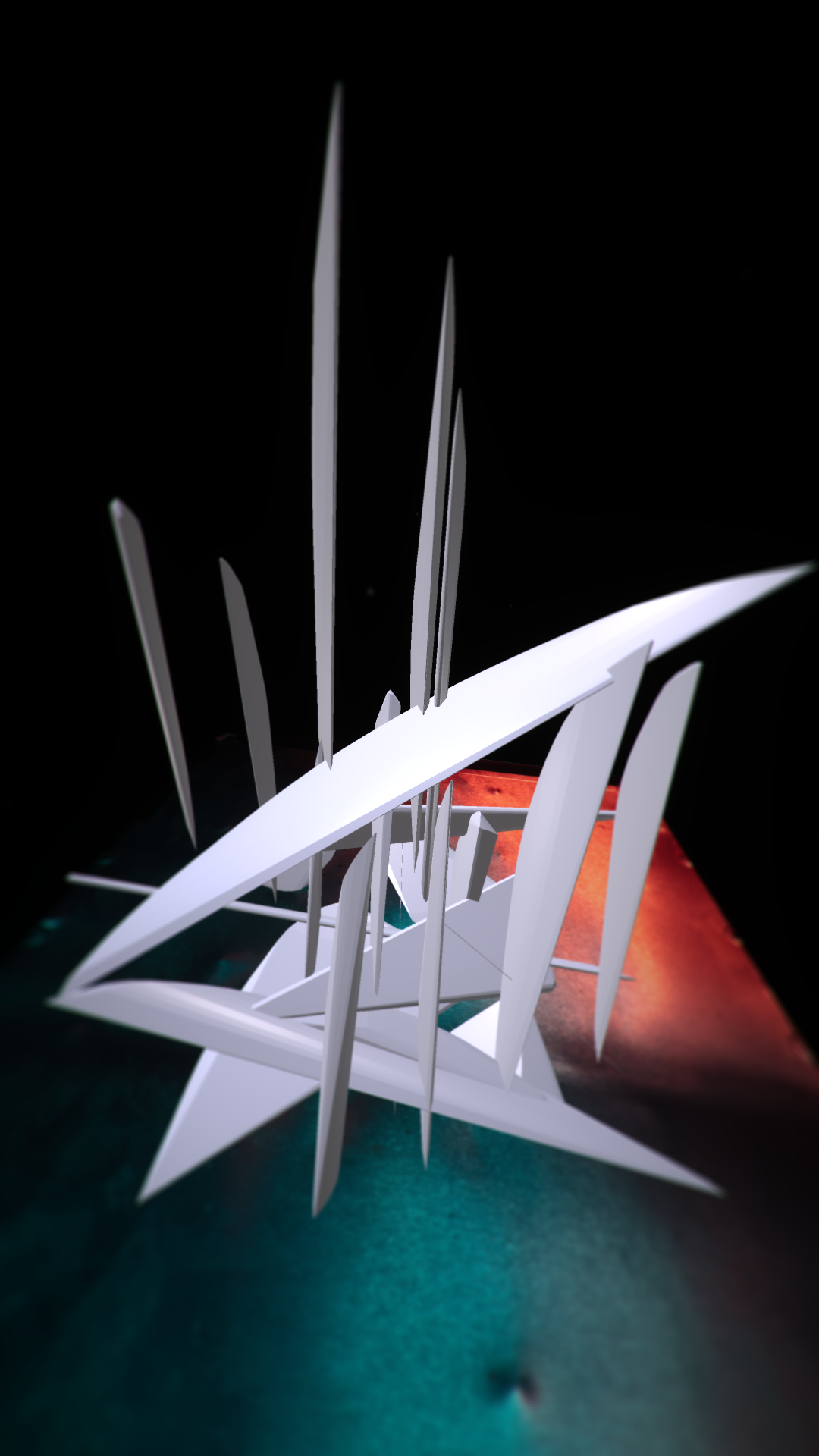
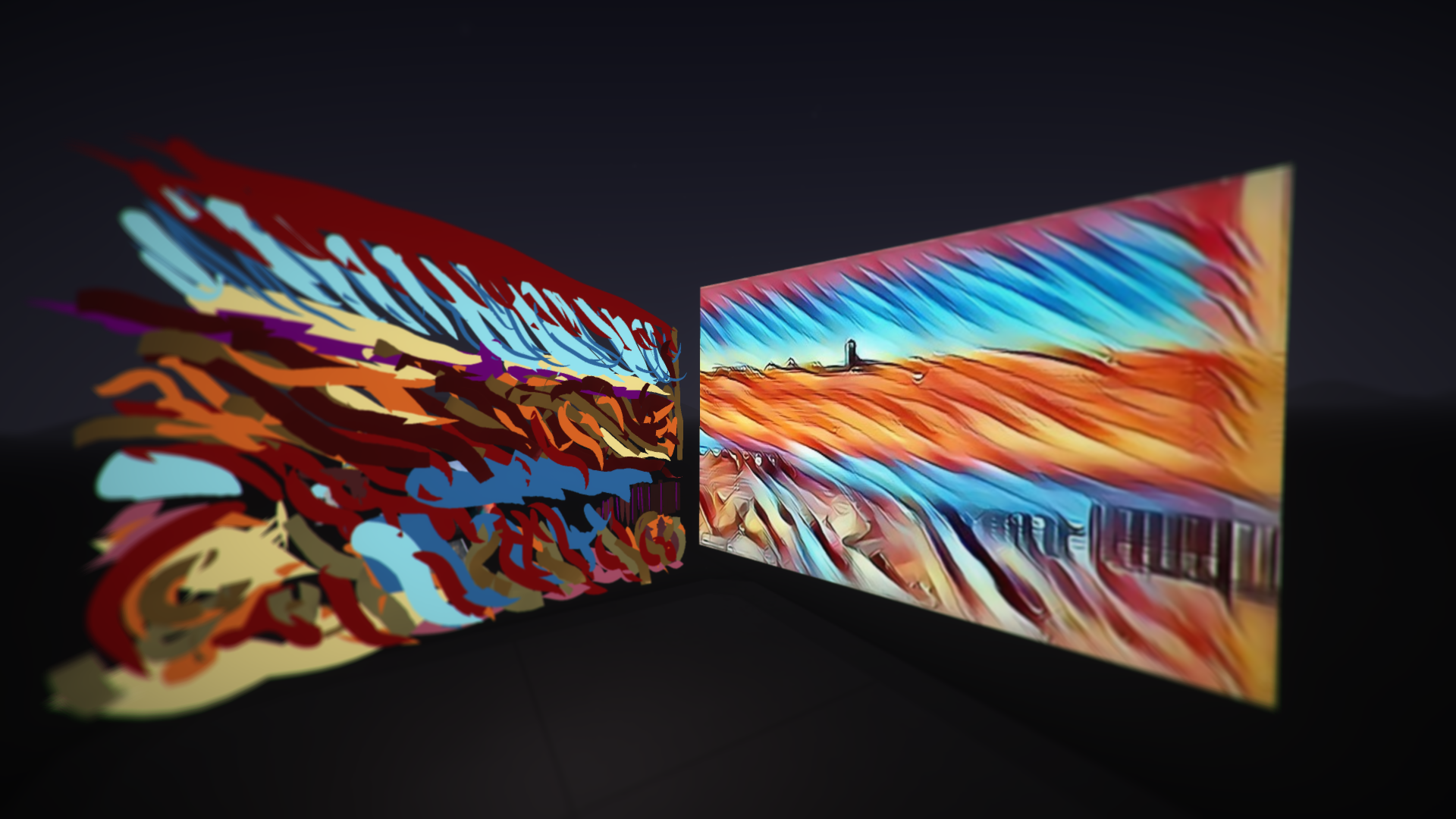
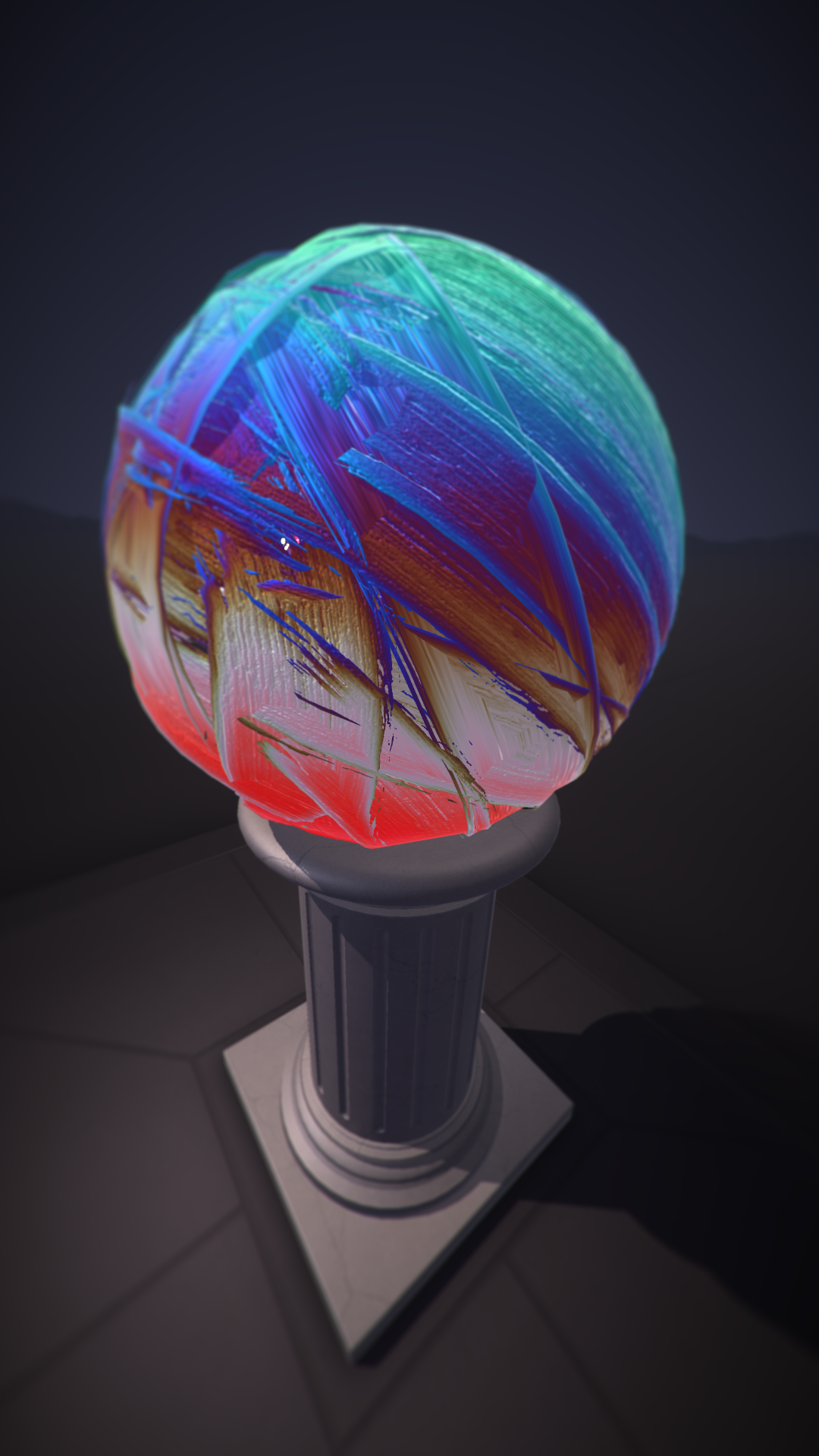
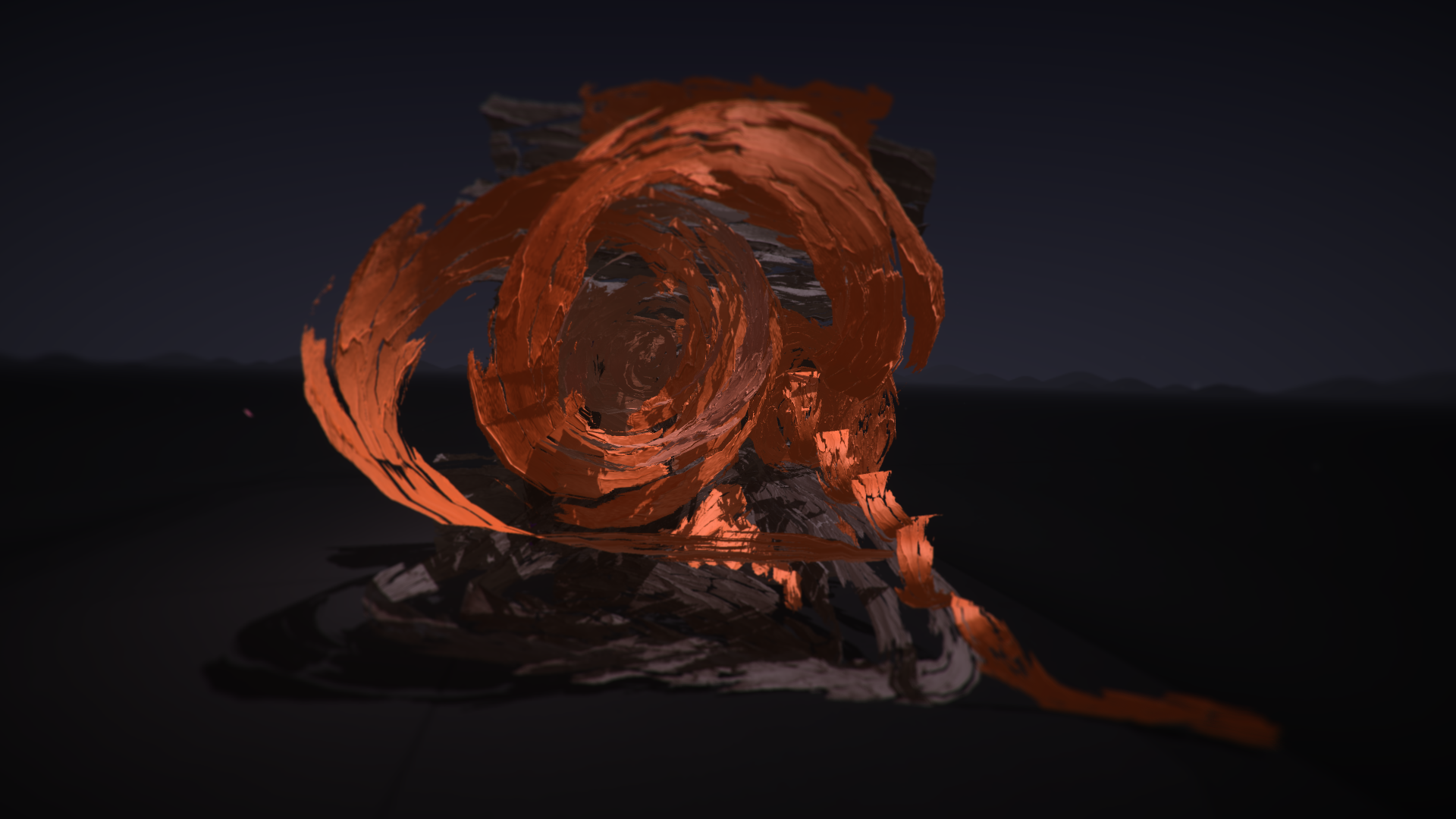
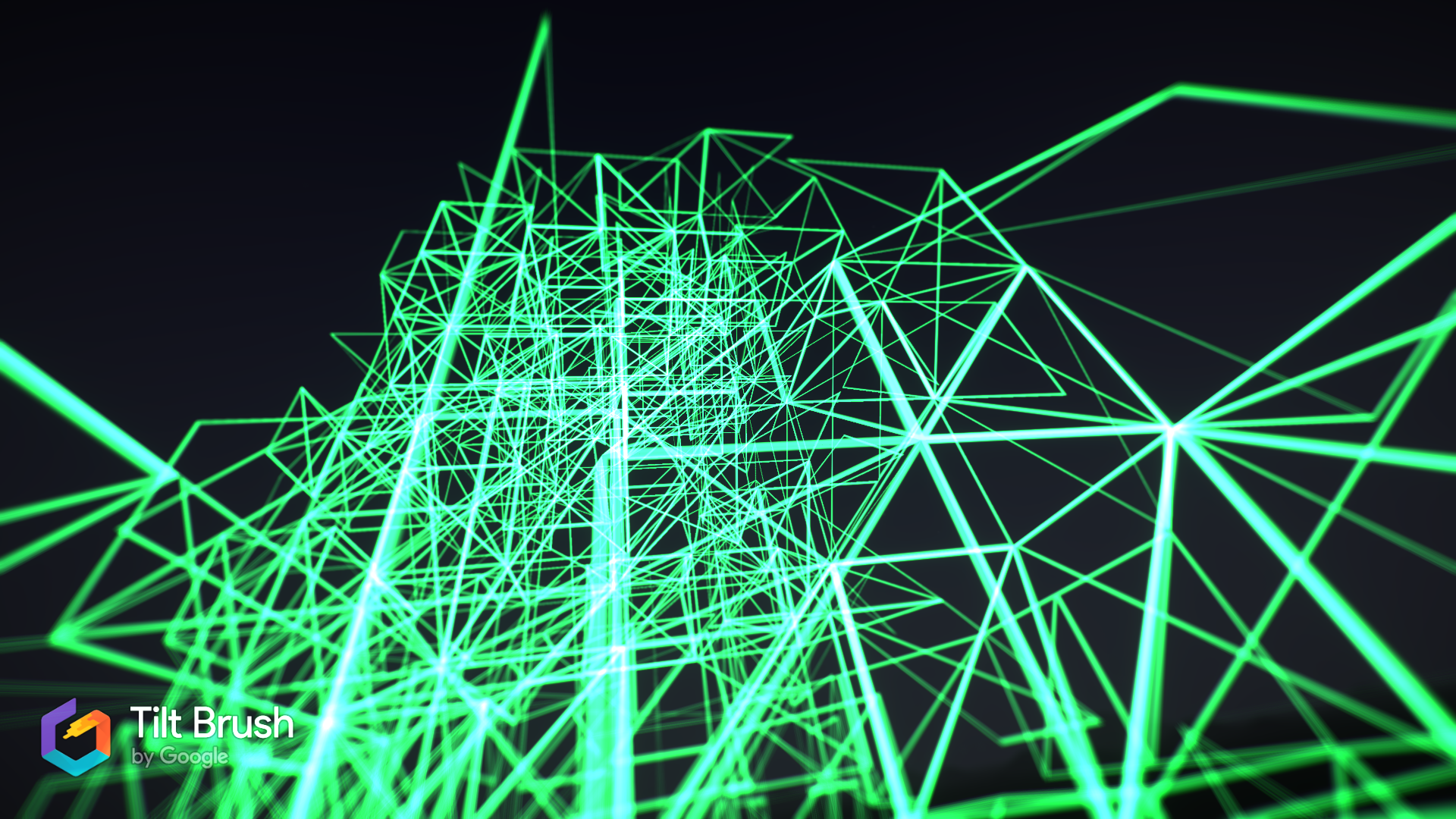
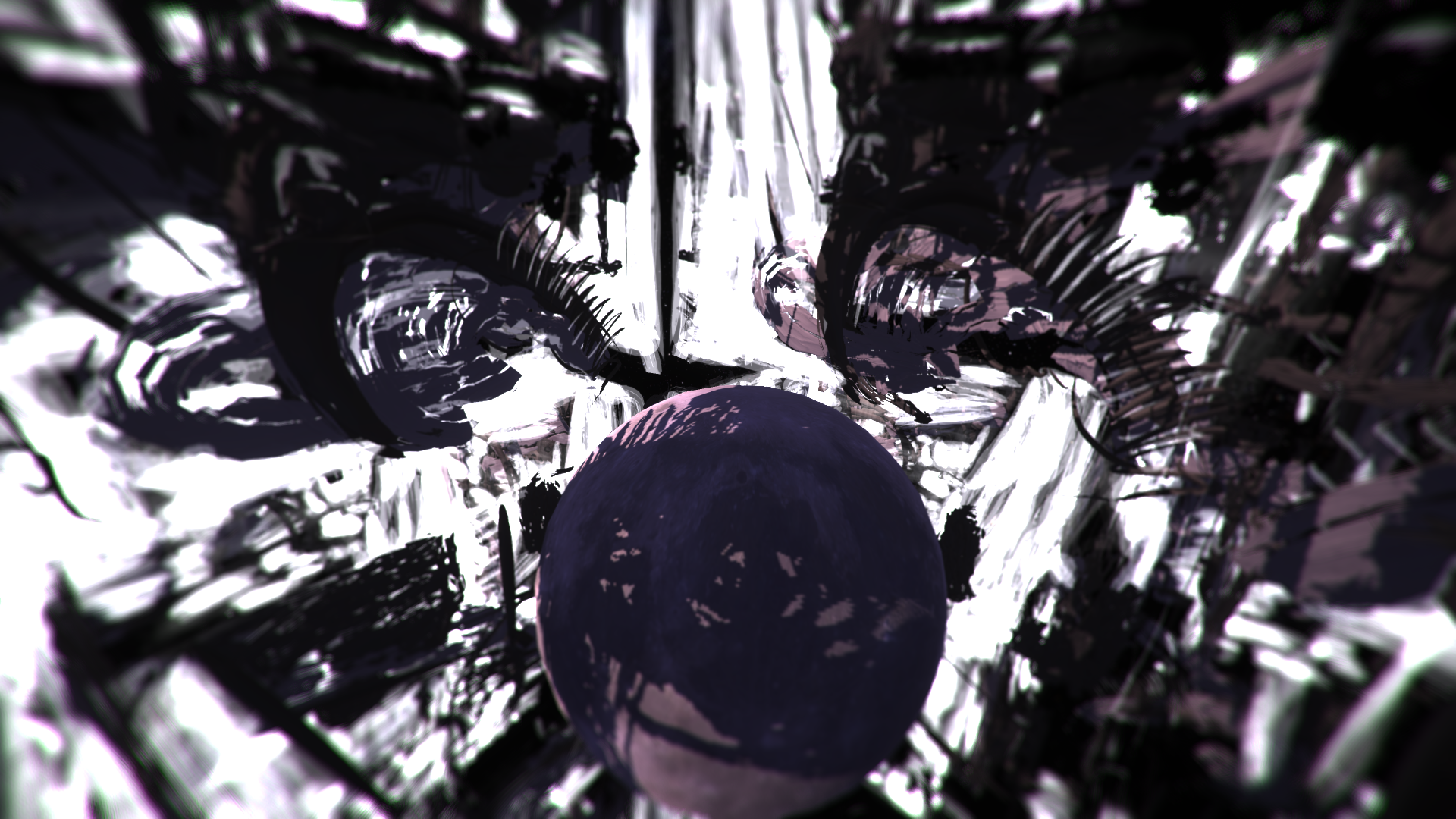
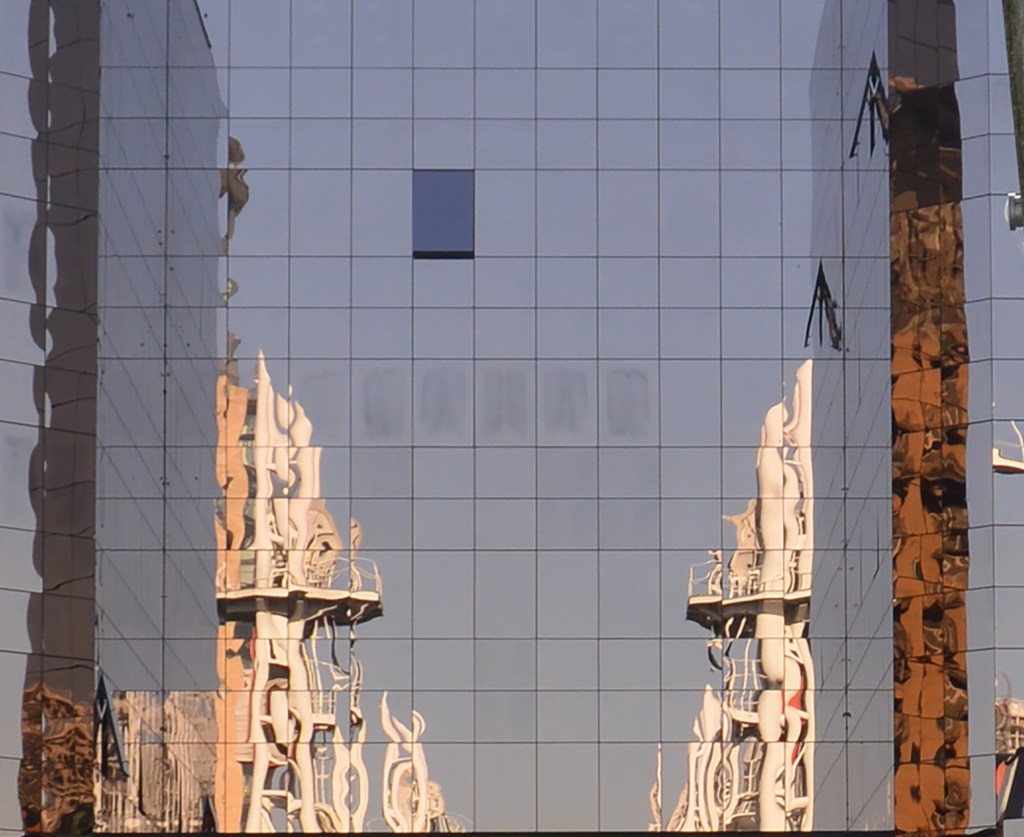
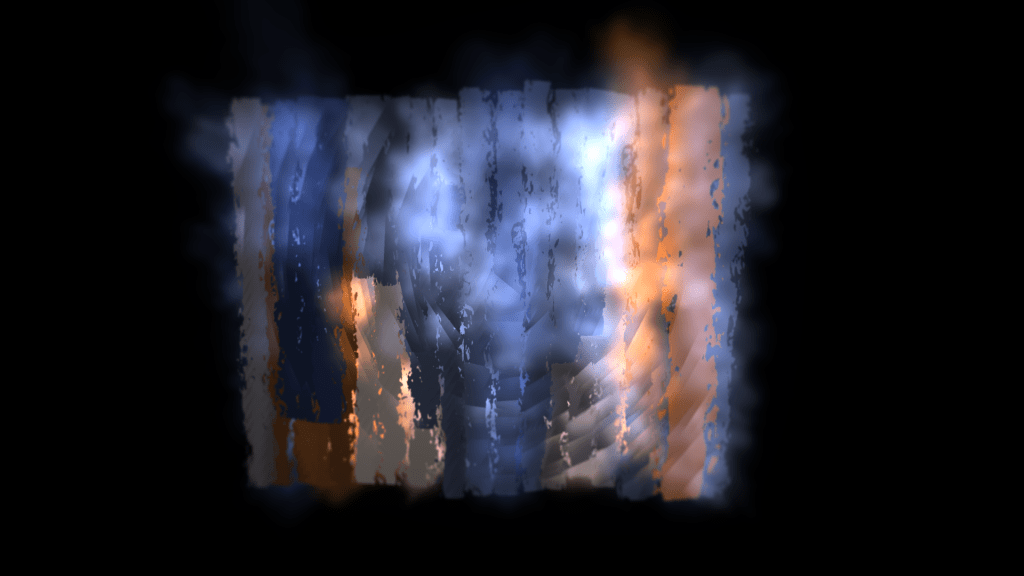
In conclusion it had been a good start but there was much to learn, not just about the functions of the tools but working with the images and film I made. I began to research how this medium would fit in my practice and consider the possibilities of taking the work off line and Augmented Reality. The opportunity to remove the hand of the artist presents possibilities at different stages of the process. The next step was to identify projects which I could explore through these visuals in my practice as I developed my skills. I had taken lots of photographs of Salford Quays and in an effort to understand what it was that I liked about the light in the landscape, I interpreted one in TB to explore colour, reflections and light. The function that allows resizing means that work can be made as big as a building and this changes our perception radically, to have an image loom over you or walk on it as a pathway makes you think and work on it very differently using a swooping body movement and connecting with the place and the emotion physically.
See the short film of travelling through the light on Instagram
https://www.instagram.com/babssmithart/
 Babs Smith Multidisciplinary Artist