About the Project
The tears project began with Voyager’s iconic image of earth as a tiny spec of dust suspended in a beam of light. Now 30 years old the image made headlines again recently as it was enhanced and republished. I showed this to my friends and was interested in the feedback of awe, overwhelment, insignificance and even magic.
I felt at this time of uncertainty in our world that the reactions united us in a oneness of our humble existence on this planet. I have used tears as a metaphor for the physical reaction to these emotions as they are a visceral response on which I can explore the connections and friction that exists epistemologically.
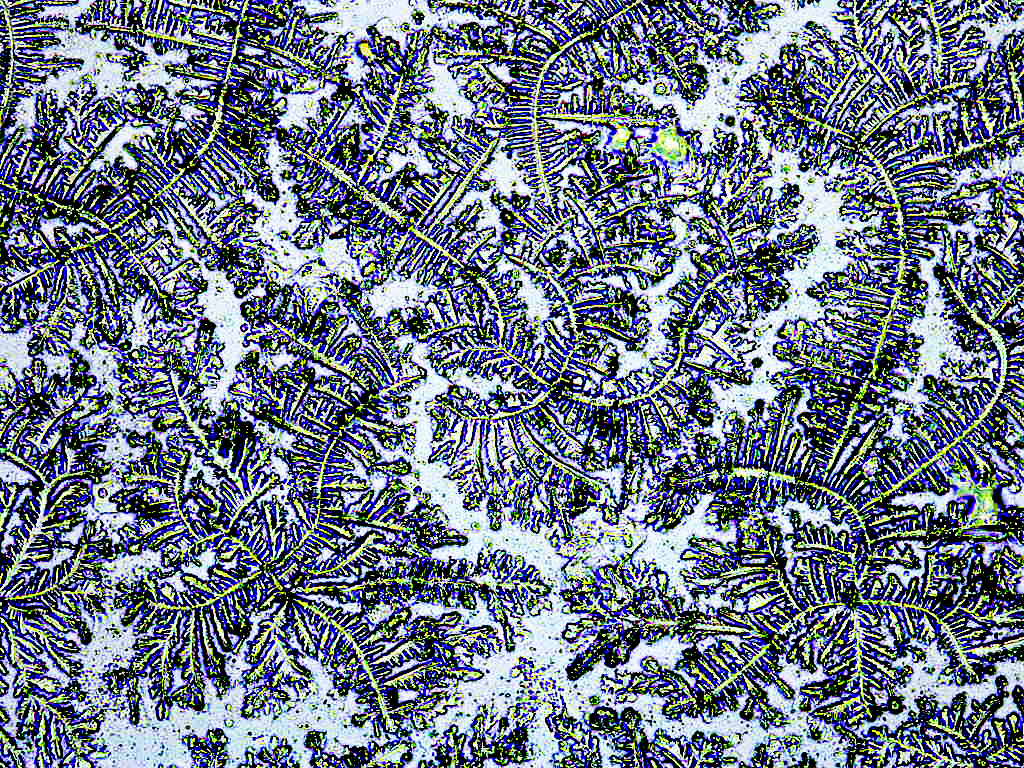
Artists have looked closely at tears under a microscope and studied their beautiful and unique crystallisation which creates a fascinating imagery almost like a DNA profile. The reason behinds the tears changes the makeup of the liquid, for example tears of pain have proteins in them that cause the tear to roll slowly down the cheek and be noticed by others.
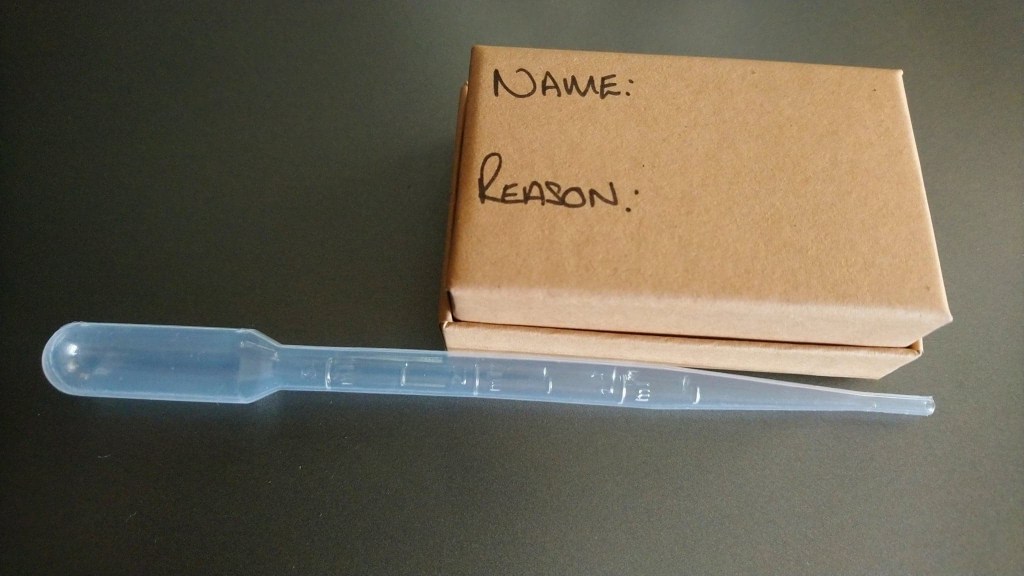
I collected my own images by creating a ‘tear kit’ made up of a slide and pipet in a small box and an explanation sheet. I left the option open for the donation to be detailed with the persons name and reason. I received six back all labelled with both and sent the recipients a copy of the microscopic image.
Having a microbiology department on campus gave me the opportunity to photograph the tears under a microscope.
The reasons for the tears I received were mostly sadness and not pain which in my research seems to form a very abstract crystallised paths unlike the images below which are not dissimilar to snowflakes. This would obviously be much more difficult to collect.
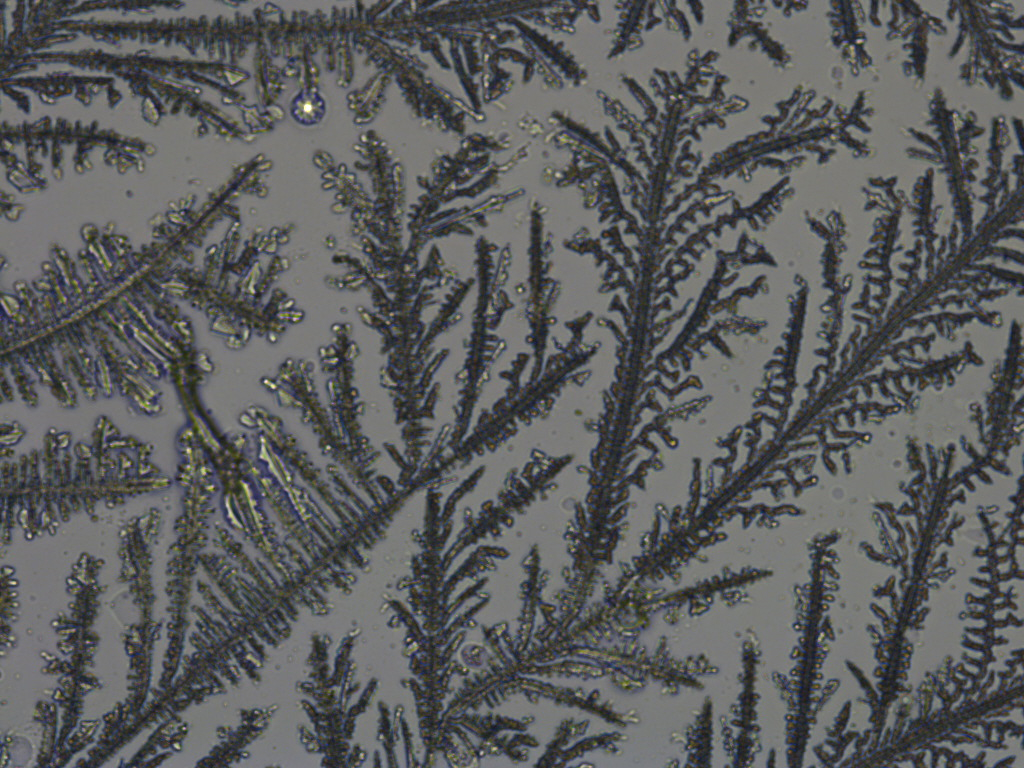
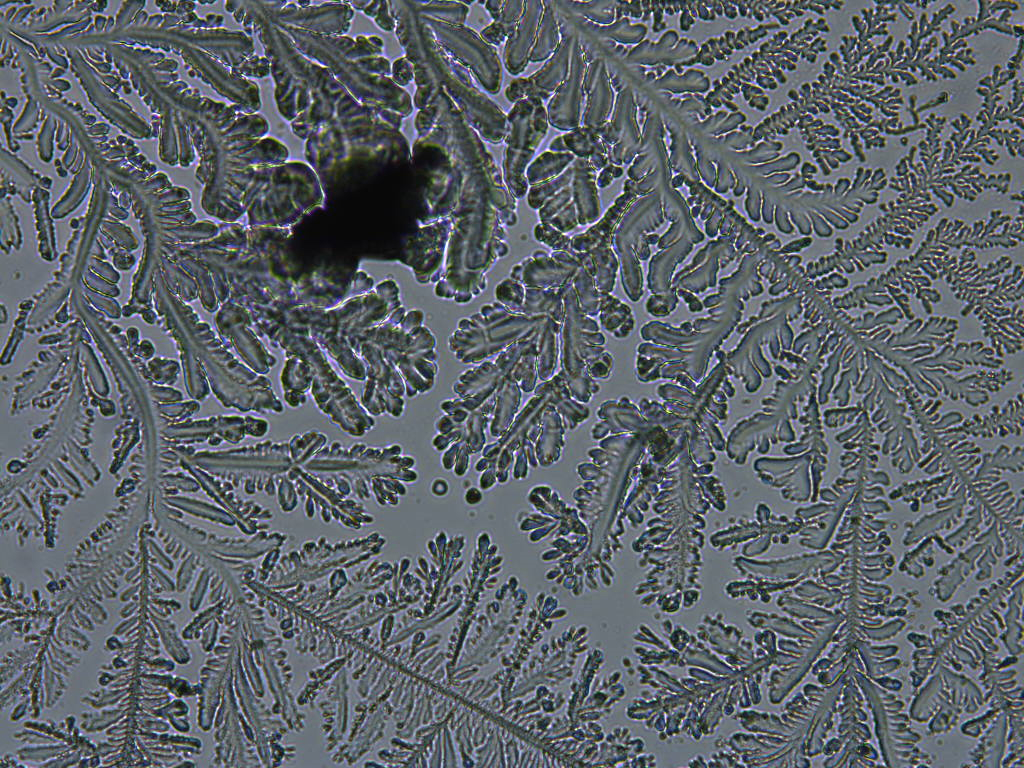
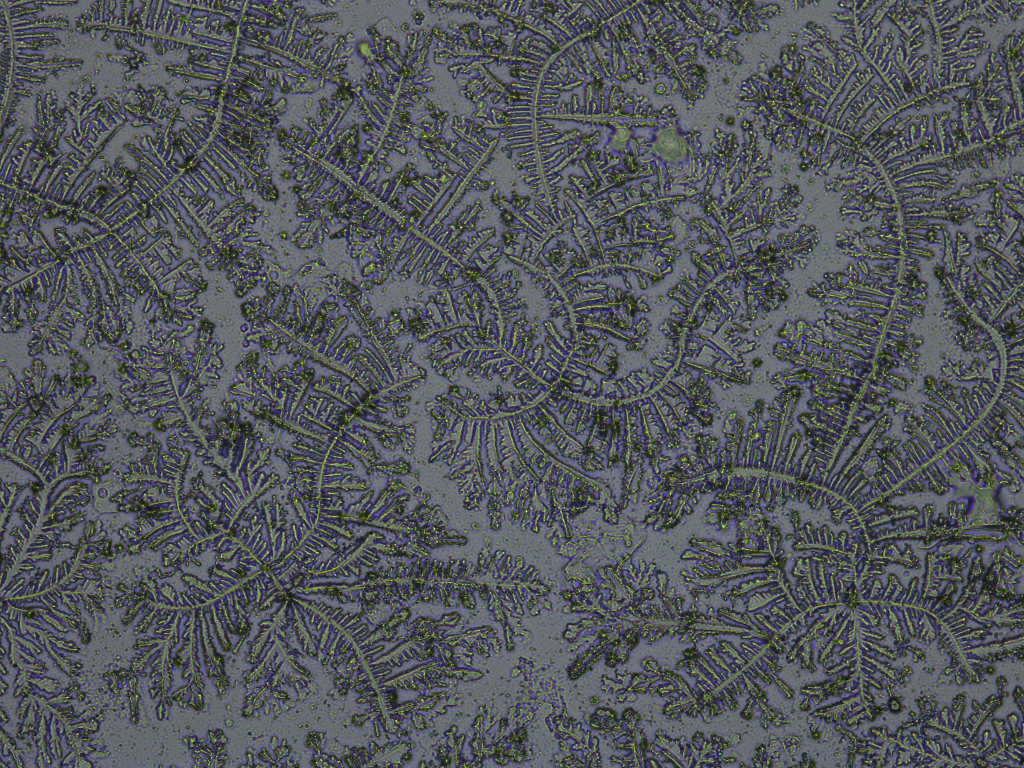
Three of the microscopic images collected
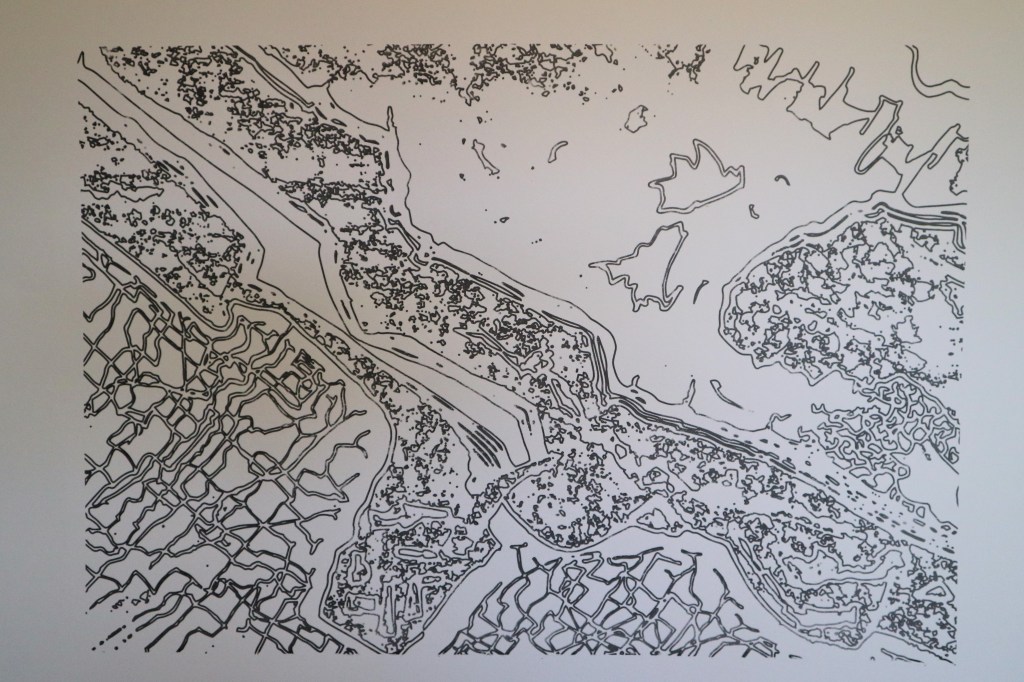
I began studying some of the material I had collected on line and in my own images and with charcoal created an Illustrator document which I made into a screen to print. This helped me to explore the shapes and simplify them.
Lasercutter
The file was adapted for use on the lasercutter and I made a plaster/stone mix in an a4 size approx 1.5 cm deep. Once dried this was lasercut in an attempt to begin to see the image as a 3d object.
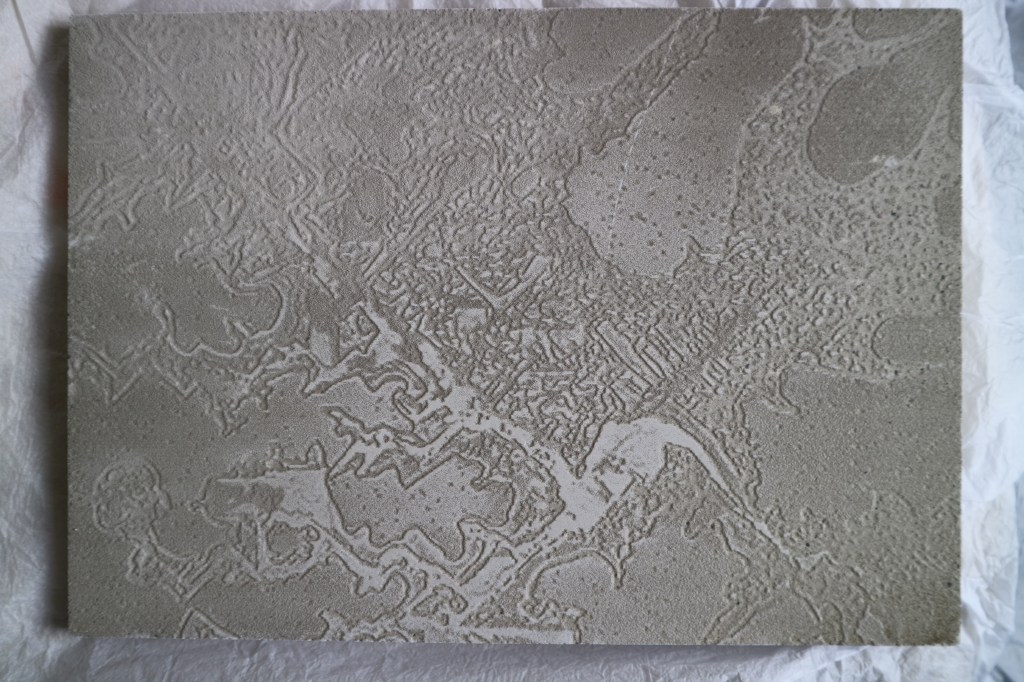
The hard cold surface was an interesting contrast to the human subject. The image was shallow but clear. It is possible that this could be made on a larger scale and form part of an installation.
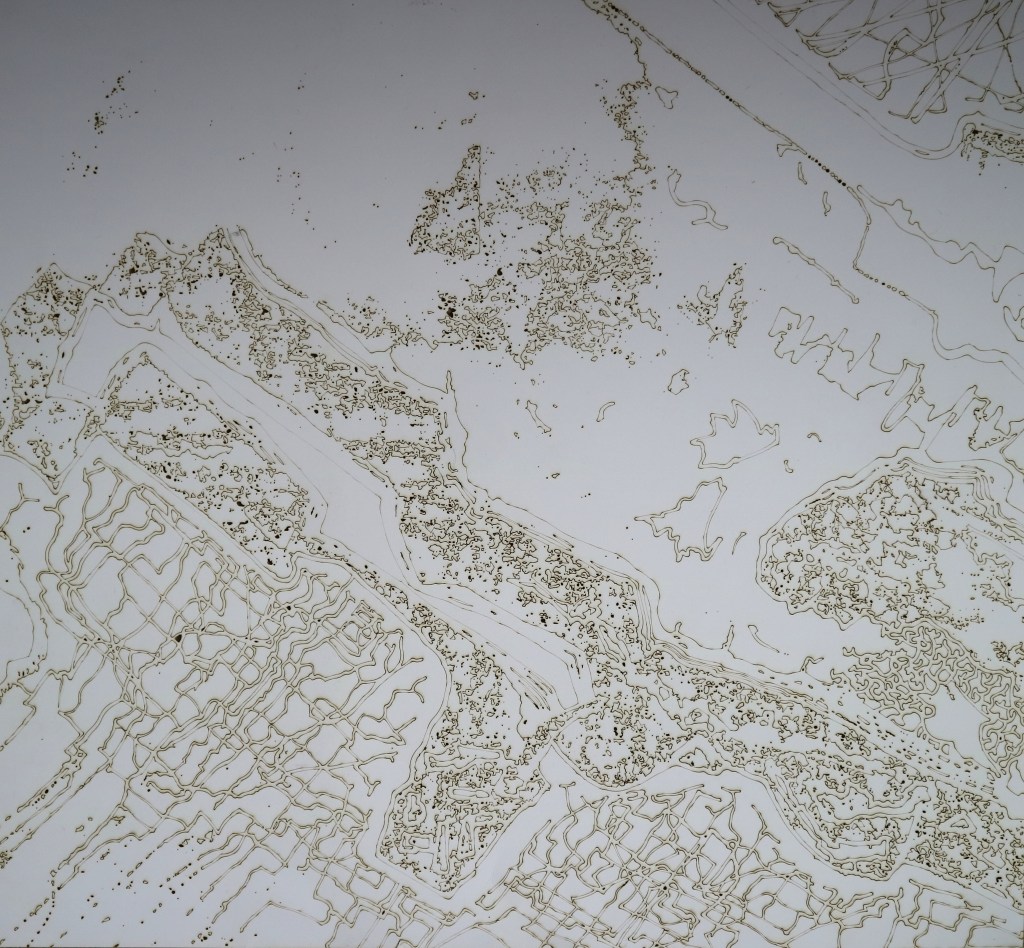
Lasercut Card Tearmap 46 x 50 cm
The card showed more detail and appears much more like a map. When putting the file through Illustrator to change it to a bit map the changes in the lines and shapes that i chose made the image seem more like the crystallisation that occurs. This has prompted my thoughts further on an installation that includes a number of different materials, each presenting the viewer with a context – paper’s fragility and the tiny holes that let in the light as opposed to the hardness and permanence of the plaster.
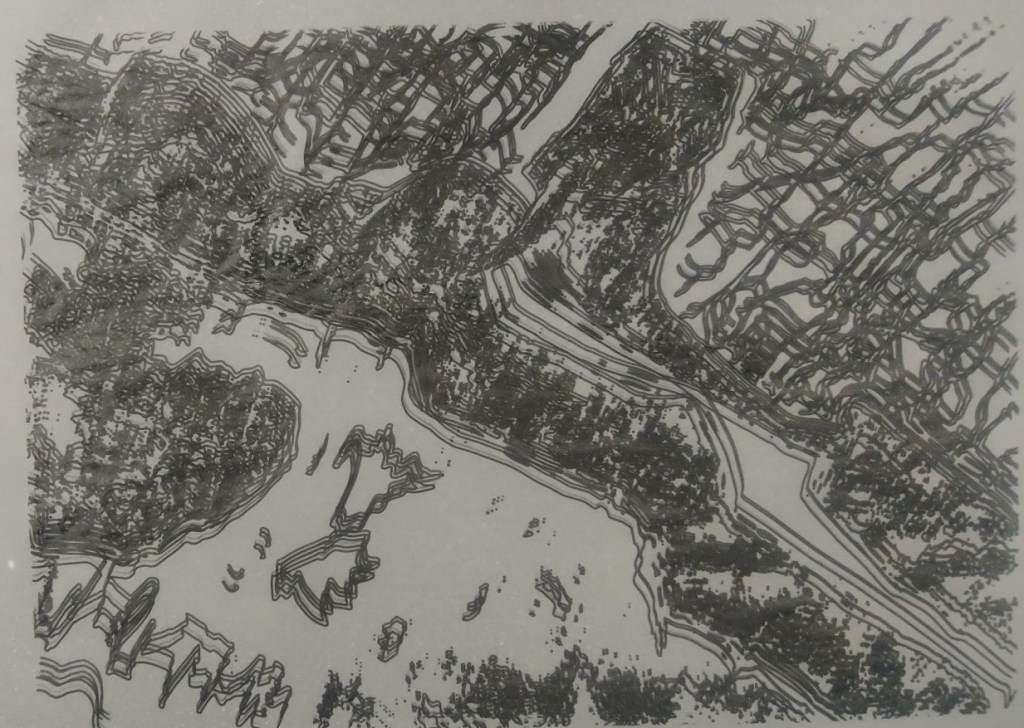
The movement only served to make the image seem unfocused .
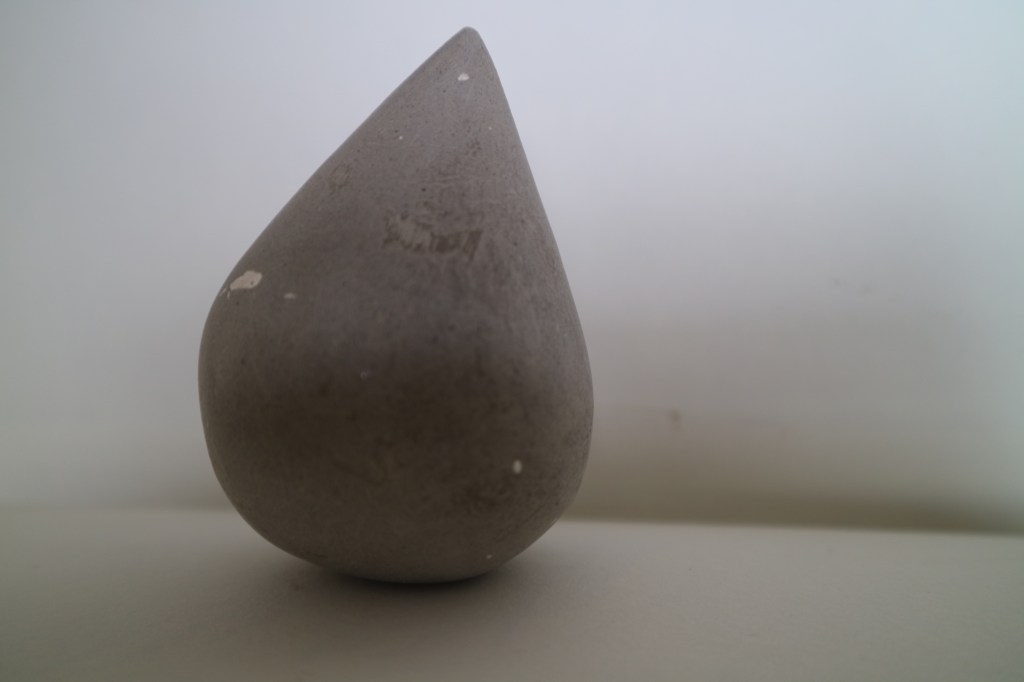
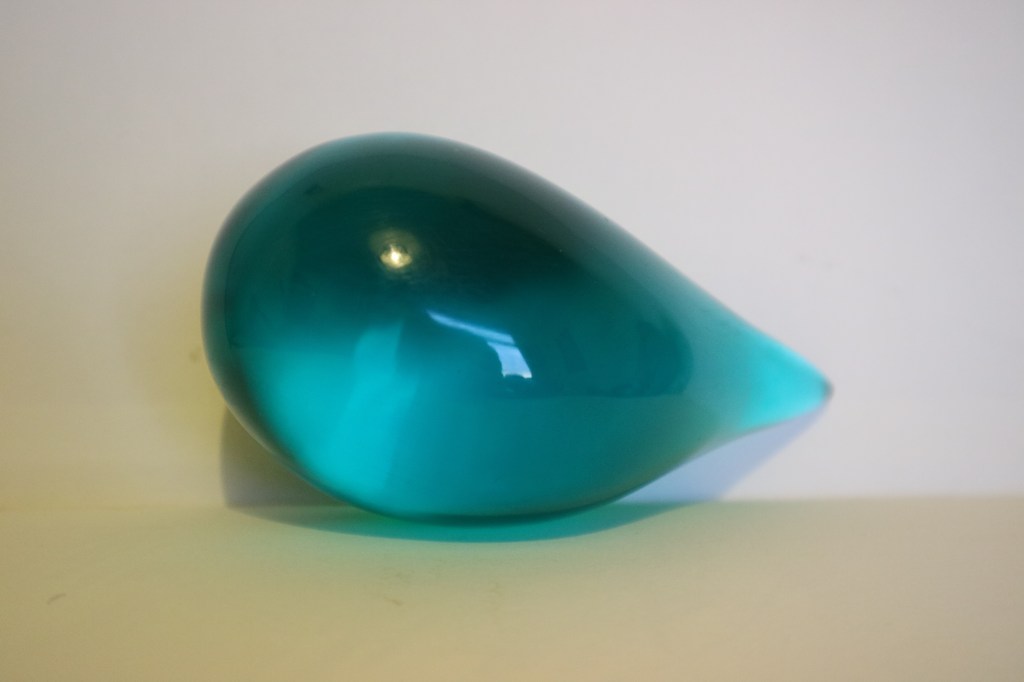
The tears (above) were the first objects I made in this project but a little too obvious to pursue. However they gave me ideas which will fuel another project and collaboration with a scientific researcher in relation to patient pain. A Pint of Science is taking place later in the year and will involve patients writing on small wooden lasercut tears, descriptions of the experience of their conditions. These often include invisible symptoms. The exercise will inform researchers and the event will deliver information to keep patients abreast of current research into their conditions into which this information will be fed.
 Babs Smith Multidisciplinary Artist