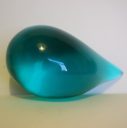

Working with a scientist and researcher of Scleroderma and the more commonly known Reynauds Syndrome, has uncovered interesting similarities in our practice and fed my studio practice this semester. Looking closely at the magnified flow of blood to the very tip of the fingers presented some beautiful and interesting shapes. A big factor in this condition is the unseen symptoms.
I have been interested in artists working alongside and being influenced by scientists such as those at MIT and CERN who’s programs of collaboration have been established since the early 60’s.
One artist in particular who has inspired me is Annie Cattrell. Specifically I am interested in the artists work with neuroscientists mapping the brain with MRI scanners and creating beautiful resin and perspex recreations with the intention of dispelling stigma around mental health.
I began this project exploring the images in print, I mixed acrylic to develop a stone colour, some patients describe the effects of this progressive disease as ‘turning to stone’. And worked in print to explore the images.

Reversing the image digitally I was able to produce a number of screens and test different repetitions and colours.
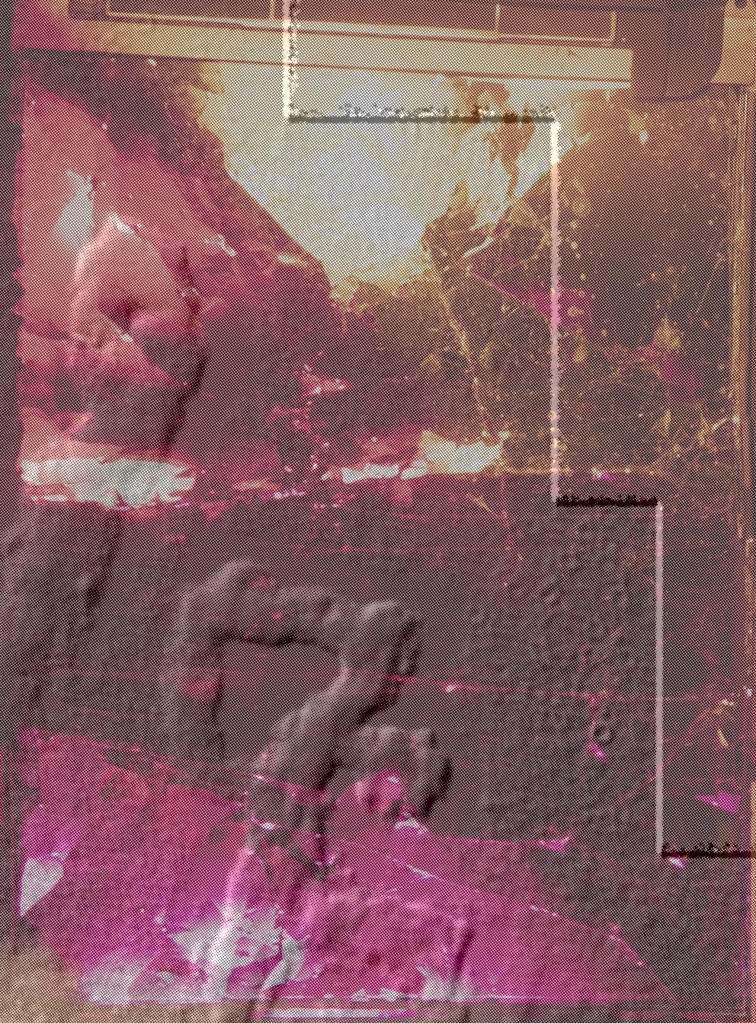

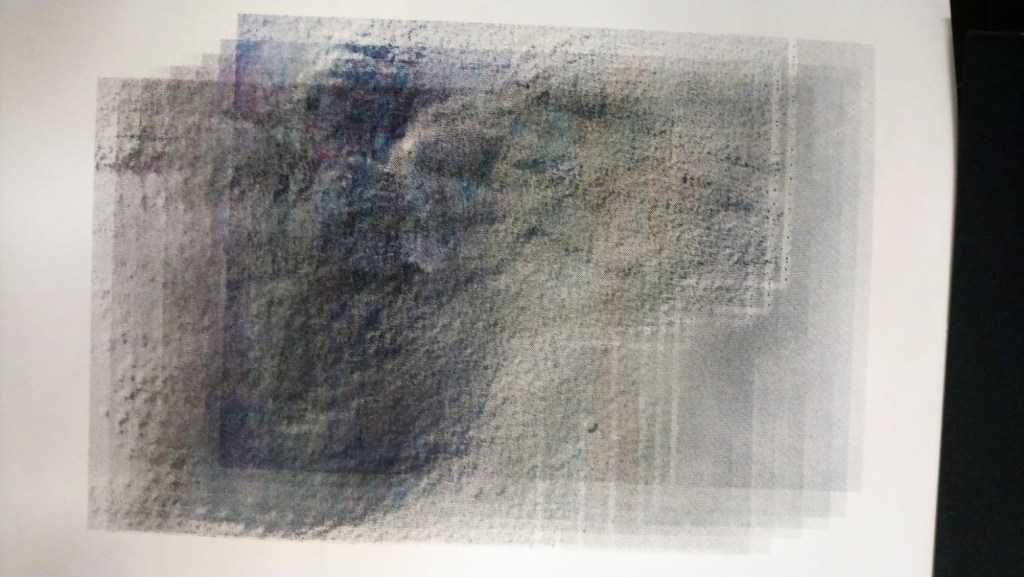
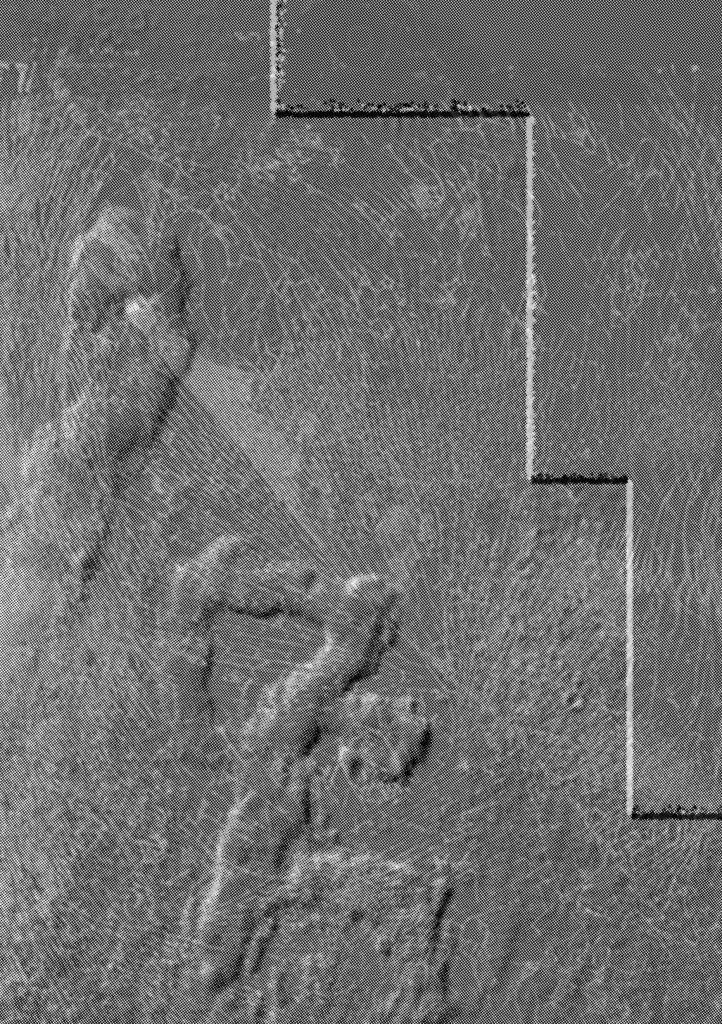
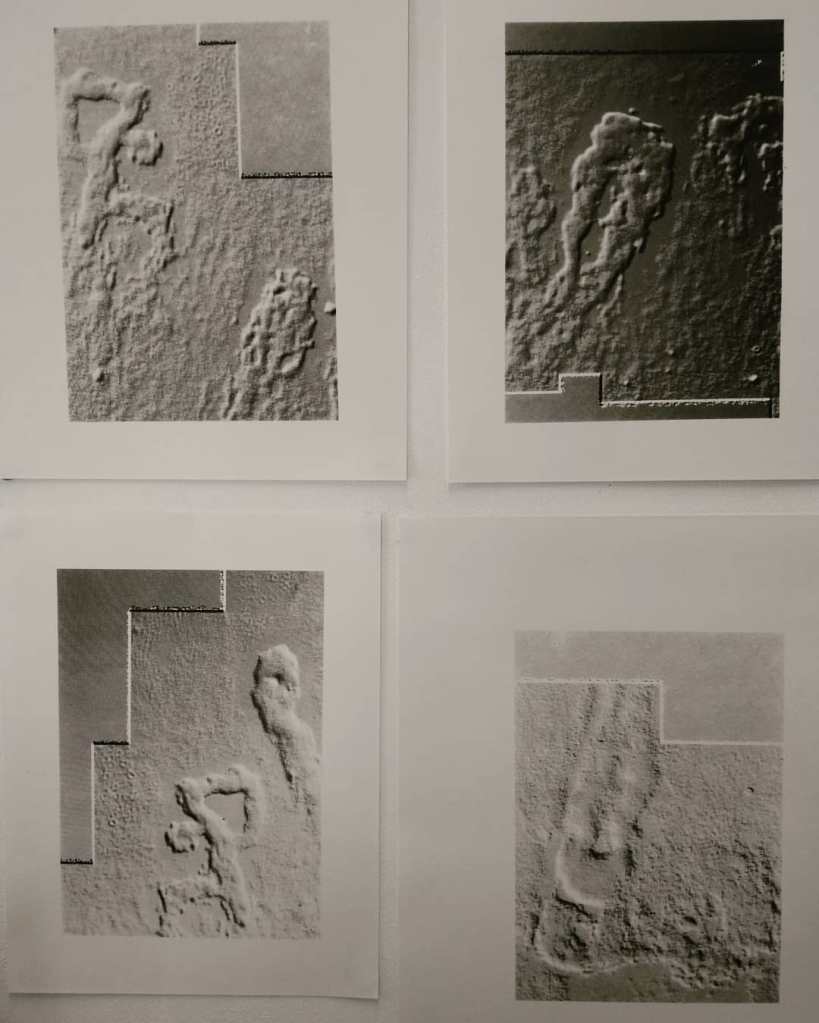
The project produced many interesting screen prints and presented the researcher as the viewer of something normally unseen by the patient that holds the information about the condition, and its progress. The researcher was able to look at her own nail folds and that of colleagues, recognising patterns and seeing images appear, the notion of the normal and the abnormal being beautiful is fascinating.
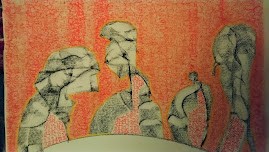
The imaging devices flatten the image so I made paper images to try to imagine the depth between the shapes.

This began to introduce a human element which is important to the researcher in all aspects of recording and writing about the work. The sketches that I made subsequently were recognised by the researcher as human beings in pain.

I went on to reuse these images but for now I am not sure where I might go with them. There is also the consideration, as an artist of the difficult subject of pain to consider further.
I want to work towards a 3d image and tried to recreate the lines within the body by using a board,tack and wire.

This was not successful as the shape remained flat.
I don’t want to recreate the shapes, seeing them closely has revealed some interesting patterns but for the next step I will consider the biology and the information from the patient which we hope to gain as the project progresses and funding becomes available.
 Babs Smith Multidisciplinary Artist